What Is the Difference Between Night Vision Binoculars and Thermal Binoculars?
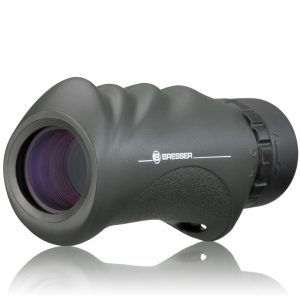
When visibility becomes limited after sunset, choosing the right optical equipment can make a significant difference. Night vision binoculars and thermal binoculars are both designed to help users observe their surroundings in low-light conditions, but they rely on very different technologies. Understanding these differences is important for anyone involved in wildlife observation, security, outdoor exploration, mining, search-and-rescue work or other activities where reliable nighttime visibility matters.
How Night Vision Binoculars Work
Night vision binoculars work by collecting available light and intensifying it so that objects become visible in dark or low-light environments. Depending on the model, they may use image intensifier technology or digital sensors to produce a view that is considerably brighter than what the human eye can normally see.
Traditional night vision generally relies on ambient light from sources such as the moon, stars or distant artificial lighting. Digital models can use sensitive sensors and, in some cases, infrared illumination to improve visibility when natural light is extremely limited. This makes night vision particularly useful when the user needs to recognise shapes, terrain and other visual details in a dark environment.
How Thermal Binoculars Work
Thermal binoculars operate according to a completely different principle. Instead of amplifying visible light, thermal imaging detects infrared radiation emitted by objects according to their temperature. The device processes these differences and displays them as an image, allowing warmer objects to stand out against cooler backgrounds.
This means thermal binoculars do not need conventional visible light to operate. A person, animal or vehicle can often remain detectable even in complete darkness because the device is responding to heat rather than reflected light. Thermal technology can also be useful when visibility is affected by conditions such as shadows, dense vegetation or certain forms of low visibility.
The Main Difference Between the Two
The simplest way to understand the difference is that night vision binoculars see available light, while thermal binoculars detect heat differences. Night vision produces an image that can resemble a brightened version of the surrounding scene, whereas thermal imaging creates an image based on temperature contrasts.
This distinction affects how each technology performs in different environments. Night vision can provide useful visual detail when there is enough available illumination. Thermal imaging, meanwhile, can identify heat signatures even when there is little or no visible light.
For example, when observing an animal at night, night vision may allow the user to see its body, surrounding vegetation and other visual features. A thermal device may make the animal immediately stand out because its body temperature differs from the surrounding environment.
Visibility in Complete Darkness
One of the strongest advantages of thermal binoculars is their ability to function without visible illumination. In complete darkness, conventional night vision may require infrared assistance or may become less effective if there is insufficient ambient light.
Thermal imaging does not depend on moonlight or artificial illumination. This can make thermal binoculars particularly valuable for applications where darkness is total or where introducing additional light is undesirable.
However, this does not mean thermal imaging is automatically better in every situation. The best choice depends on the information the user needs from the scene.
Image Detail and Recognition
Night vision can have an advantage when identifying fine visual details, especially when lighting conditions are favourable. Users may be able to distinguish terrain features, colours on certain digital systems and other characteristics that help with conventional visual recognition.
Thermal binoculars excel at detecting heat signatures and identifying living subjects or warm objects against cooler backgrounds. However, thermal images do not necessarily provide the same visual appearance as a normal optical image. Fine details such as exact colours or surface markings may not be represented in the same way.
For this reason, professional users sometimes benefit from equipment that combines thermal imaging with other optical technologies.
Performance in Challenging Conditions
Environmental conditions can affect both technologies differently. Night vision depends on available light and can be affected by very dark surroundings. Thermal imaging can continue detecting heat differences in darkness, although rain, fog, humidity, vegetation and other environmental factors can influence thermal performance and detection distance.
The quality of the sensor, lens, resolution, detection range and image-processing technology also plays an important role. Two devices using the same general technology can provide very different results depending on their specifications.
Which Technology Is Better for Wildlife Observation?
For wildlife enthusiasts and professionals, the right choice depends on the objective. Night vision binoculars can be excellent when observing animals and their surroundings while retaining a more natural-looking visual perspective. Thermal binoculars can be especially effective for locating animals because their body heat can make them stand out from the background.
In open terrain, thermal imaging can make it easier to detect a heat source at a distance. In other circumstances, night vision may provide more familiar visual information for observing behaviour and environmental details.
Which Is Better for Security and Search Operations?
Both technologies have important roles in security and search-and-rescue applications. Thermal imaging can be highly useful for locating people or animals based on their heat signatures, particularly when darkness makes conventional observation difficult.
Night vision can complement this by providing a more recognisable visual representation of the environment. For teams operating in complex environments, having access to both technologies can provide greater flexibility than relying exclusively on one system.
Choosing the Right Equipment
When selecting between night vision binoculars and thermal binoculars, consider the environment, expected viewing conditions and purpose of use. Think about whether you primarily need visual detail, heat detection or a combination of both. Other factors include sensor resolution, optical magnification, detection range, battery life, durability, ergonomics and ease of operation.
Survival Africa supplies professional thermal imaging equipment, binoculars, night vision products and field equipment across Africa. Its range includes solutions from established manufacturers such as Hikmicro and Pulsar, alongside technical support and expert guidance to help customers select equipment suited to their particular requirements.
Why Professional Advice Matters
Choosing specialised optical equipment can be challenging because specifications do not always tell the entire story. Two devices with similar advertised ranges may perform differently depending on sensor quality, lens configuration and environmental conditions.
Professional advice can help users identify the technology and specifications that best match their intended application. Whether the requirement involves wildlife monitoring, security, mining, exploration or search-and-rescue activities, selecting equipment based on actual operating conditions can lead to a more practical and reliable solution.
Conclusion
The difference between night vision binoculars and thermal binoculars comes down primarily to how they create an image. Night vision amplifies available light to make dark scenes visible, while thermal binoculars detect infrared energy and display differences in heat. Night vision can offer useful visual detail, whereas thermal technology is particularly effective for detecting warm objects against cooler surroundings, even without visible light.