How can technology help reduce home care costs for seniors?
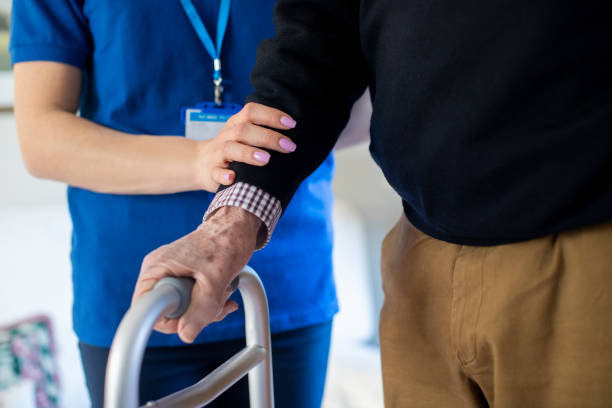
The landscape of aging in place is being transformed by modern innovations that increase safety and efficiency. As families look for ways to manage the expenses associated with professional support, integrating the right tools can make a significant difference. Technology now acts as a bridge, enabling seniors to stay independent while optimizing the time caregivers spend in the home.
Smart Home Solutions for Enhanced Safety
Technology for the home has moved beyond simple gadgets to become vital tools for independence. Motion sensors, automated lighting, and smart thermostats can prevent common accidents like falls or temperature-related issues. By automating the environment, seniors can navigate their homes more safely, which reduces the constant need for direct human supervision in some instances.
When exploring affordable home care for seniors, integrating these technologies can lower the total hours of service required. For example, a smart medication dispenser can manage pill schedules, allowing a caregiver to focus on companionship or household tasks during their visit rather than spending that time strictly on medicine administration, thereby maximizing the value of every hour paid.
Telemedicine and Remote Monitoring
The rise of telemedicine has fundamentally changed how we monitor health from a distance. Seniors no longer need to travel for every minor health concern, which saves both time and transportation costs. Virtual consultations allow doctors to check on progress, reducing the logistical burden that often falls on family members or professional caregivers.
Furthermore, wearable technology—like smartwatches that track heart rate and detect falls—provides peace of mind to families. This data can be shared with care teams, allowing them to make informed decisions about the level of support required. This data-driven approach helps in avoiding unnecessary services while ensuring that help is available immediately when a genuine emergency occurs.
Simplifying Communication and Daily Routine
Communication tools like video calling platforms help seniors stay in touch with family members easily, which reduces the need for frequent in-person checks for social purposes. Voice assistants can set reminders for appointments, hydration, or meals, providing a consistent structure to the day. These tools empower the senior to manage their own life with confidence.
By using technology to handle routine alerts and social connection, families can create a hybrid care model. This model combines the warmth of human interaction with the reliability of digital tools. The result is a more manageable and sustainable care plan that respects the budget of the family while ensuring the senior remains safe, happy, and connected.
Conclusion
Technology is an incredible asset for reducing the costs of home care by enhancing safety, monitoring health, and simplifying daily routines. By leveraging these modern solutions, families can create a more efficient support system for their loved ones. Ultimately, the integration of technology helps seniors maintain their independence, proving that high-tech tools lead to more affordable and effective care.