Aerospace Engineering Solutions That Strengthen the Aerospace Industry
Modern aircraft manufacturing is the result of advanced design, strict quality standards, and extremely precise production processes. At the center of this entire ecosystem lies Aerospace Engineering, a discipline responsible for shaping how aircraft structures are designed, tested, and manufactured.
However, engineering designs alone cannot create reliable aircraft. The success of aircraft manufacturing depends on precise production methods and specialized tooling that ensure each design specification is executed accurately. Precision airframe assembly tools help bridge the gap between engineering concepts and real-world manufacturing.
Without these specialized tools, maintaining the tight tolerances required for modern aircraft production would be nearly impossible.
The Foundation of Aerospace Engineering in Manufacturing
Aircraft are designed to perform under demanding conditions, including high speeds, altitude changes, and constant aerodynamic forces. Engineers must therefore design structures capable of maintaining strength and stability throughout years of operation.
These designs include detailed measurements for structural connections, hole placement, and fastener positioning.
Why Engineering Precision Is Critical
In aircraft manufacturing, even the smallest deviation from engineering specifications can lead to major problems. Structural parts must align perfectly so that loads are distributed evenly across the airframe.
When engineers design aircraft structures, they define extremely precise tolerances. Production teams must follow these measurements exactly during assembly.
This is why specialized tooling is essential. Precision tools help technicians maintain alignment and drilling accuracy during airframe assembly.
Turning Design Concepts into Physical Structures
Engineering blueprints outline how aircraft components should fit together. However, transforming these blueprints into real components requires reliable manufacturing equipment.
Production tooling ensures that technicians can replicate engineering specifications across thousands of assembly operations without compromising accuracy.
Precision Airframe Assembly in Aircraft Production
Airframe assembly is one of the most critical stages in aircraft manufacturing. Large structural components such as fuselage sections and wing panels must be aligned precisely before drilling and fastening operations begin.
During this stage, technicians depend on specialized airframe tooling designed to support controlled drilling and accurate positioning.
Microstops and Drilling Accuracy
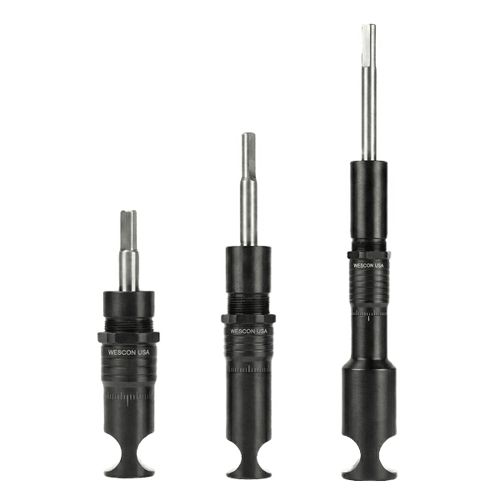
Microstops are widely used in aerospace manufacturing because they control drilling depth with exceptional precision. This prevents drills from penetrating too deeply into structural layers.
By limiting drilling depth to exact measurements, microstops help protect the structural integrity of aircraft components.
Drill Guides and Structural Alignment
Drill guides play an equally important role during airframe assembly. These tools help maintain proper hole alignment, ensuring that fasteners connect structural components exactly where engineers intended.
Manufacturers working within the Aerospace Engineering production environment rely on such tools to maintain engineering accuracy during high-volume manufacturing operations.
Manufacturing Demands Within the Aerospace Industry
Aircraft production facilities operate in highly demanding environments. Technicians must assemble complex structural components while maintaining tight tolerances and strict safety requirements.
Maintaining both efficiency and accuracy in such conditions requires durable, high-quality tooling.
Challenges Faced by Aerospace Manufacturers
Aircraft production involves thousands of drilling and fastening operations. Each operation must meet exact specifications while maintaining production efficiency.
Precision tooling helps solve several key challenges:
- Maintaining consistent drilling depth
- Ensuring accurate hole alignment
When tools perform reliably, production teams can focus on maintaining quality without worrying about equipment inconsistencies.
Heavy-Duty Tooling for Continuous Production
Aircraft manufacturing lines often operate continuously for extended periods. Tools used in these environments must be durable enough to maintain precision throughout repeated use.
Heavy-duty airframe assembly tooling provides the durability needed for long production cycles. These tools are engineered to maintain performance even in demanding manufacturing environments.
Domestic Manufacturing and Tooling Quality
Many aerospace manufacturers prefer tools produced within the United States because they often meet strict industrial and engineering standards.
USA-made precision tooling is designed with high-strength materials and advanced machining processes that support long-term reliability.
Domestic manufacturers frequently specialize in producing tools specifically designed for aerospace production environments.
Their equipment helps technicians maintain structural accuracy while supporting efficient manufacturing workflows.
Companies across the Aerospace Industry rely on these high-quality tools to maintain consistent production standards and meet strict aerospace safety requirements.
The Future of Aerospace Manufacturing Tooling
The aerospace sector continues to evolve as engineers develop more advanced aircraft designs and materials. Lightweight composites and complex structural geometries are becoming increasingly common in modern aircraft.
These innovations require equally advanced manufacturing tools capable of maintaining extreme precision.
Tooling manufacturers are therefore focusing on designing equipment that supports automated production systems and advanced material drilling techniques.
Despite these technological advancements, one principle remains constant: precision is essential.
Aircraft manufacturing will always depend on tools capable of maintaining tight tolerances and consistent assembly accuracy.
Conclusion
The relationship between engineering design and manufacturing precision is fundamental to aircraft production. Aerospace Engineering defines how aircraft should perform, while precision airframe assembly tooling ensures those designs are executed accurately during manufacturing.
Tools such as microstops and drill guides enable technicians to maintain consistent drilling depth and alignment across complex structural assemblies. These tools play a crucial role in ensuring aircraft structures meet strict safety and performance standards.
As aerospace technology continues to progress, precision tooling will remain a vital component of manufacturing success, helping transform engineering innovations into reliable aircraft used around the world.